
Medical Metallomics
Developing novel methods to non-invasively image metal trafficking in health and disease to further scientific understanding, aid diagnosis, and monitor and develop therapies.
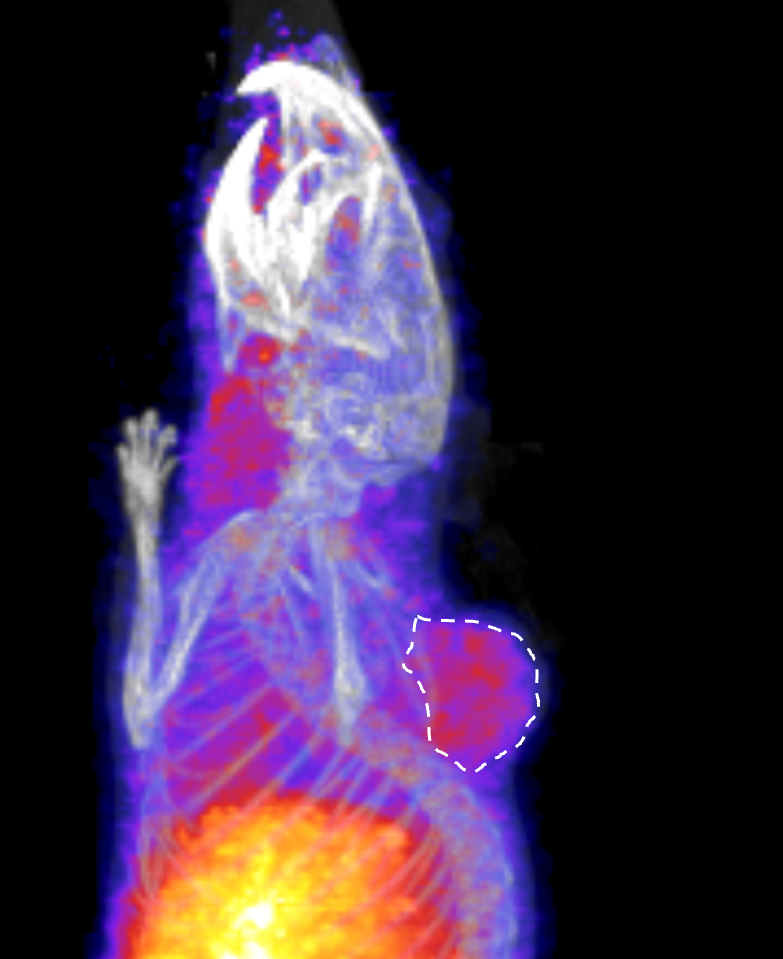


Clinically-driven research
We believe that PET Metallomics has the potential to improve human health. Our research questions and tools are developed with patients in mind.

Collaborators
Collaborative research is fundamental to bring together experts in metal biology, imaging and genetic diseases to perform clinically-driven research that will benefit patients.
Publications
Peer-reviewed publications in the fields of Metallomics, Imaging, Nuclear Medicine, Diabetes, Cancer, Bioconjugate Chemistry, Inorganic Chemistry.
Contact
If you are interested in collaborative research, studentships, research staff positions, or general information on our work, please do get in touch.
Conventional metallomics techniques rely on invasive biopsies. PET metallomics circumvents this, allowing the non-invasive visualisation of metal processes in animals and humans. This technology will lead to a step change in the field and is poised to take full advantage of significant infrastructure investment in the UK including total-body PET and the London Metallomics Facility.
— Phil Blower, Professor of Imaging Chemistry, former Head of Department for Imaging Chemistry and Biology, King’s College London
 Home
Home 